Arborist Pruning in Reno, NV
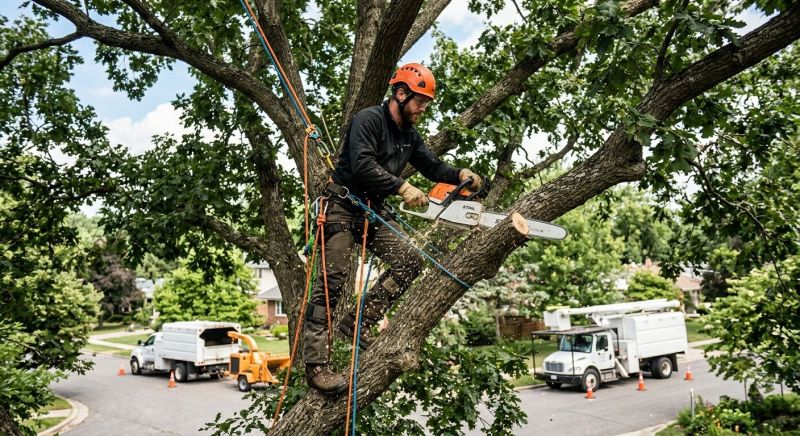
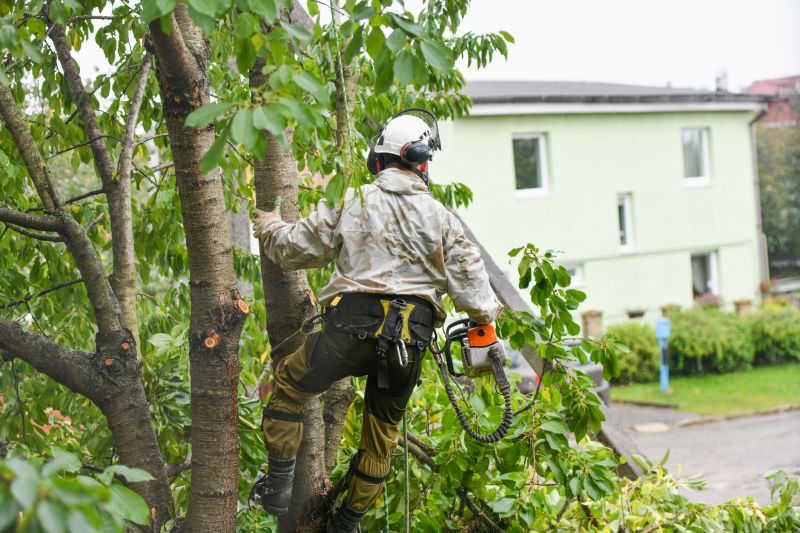
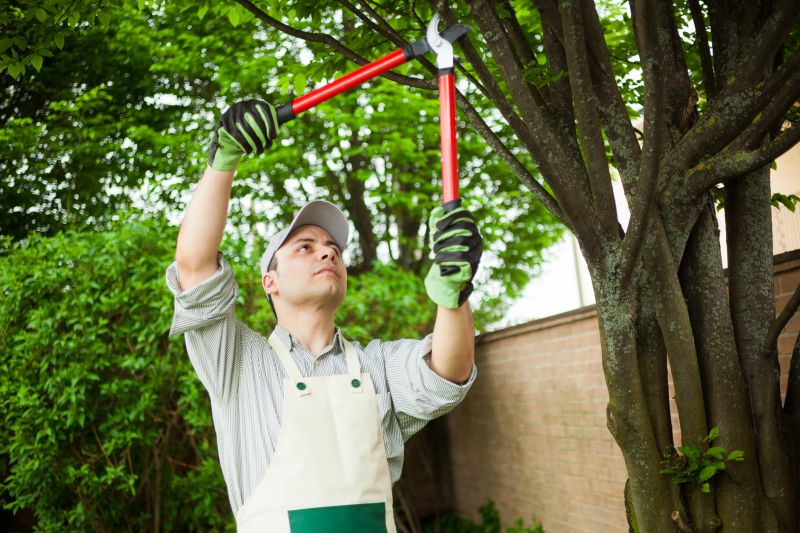
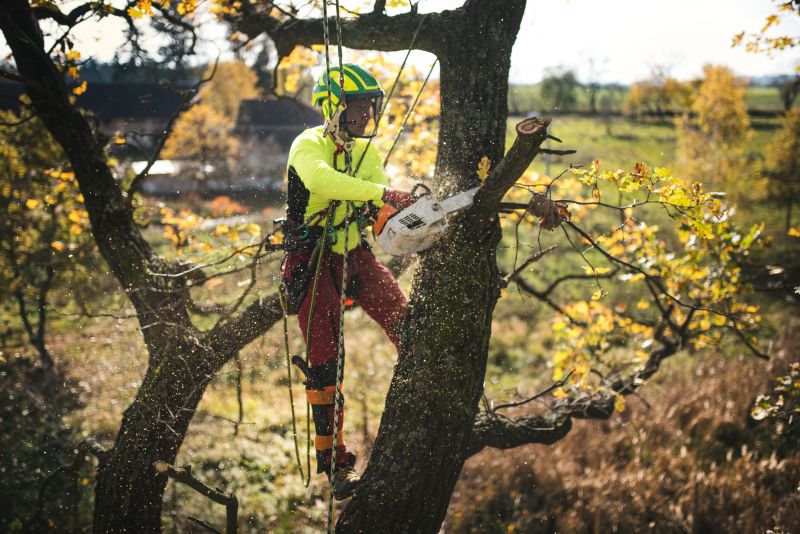
Arborist pruning services involve the careful trimming and shaping of trees to promote healthy growth, improve appearance, and ensure safety. These services typically include removing dead or diseased branches, thinning out dense canopies, and shaping trees to better fit the property’s landscape. Property owners often request pruning to maintain the structural integrity of mature trees, prevent potential hazards from falling limbs, or enhance the overall aesthetic of their yard. Understanding the specific needs of each tree and the appropriate pruning techniques can help preserve the health and longevity of the landscape.
Before requesting arborist pruning services, property owners should consider the type and age of their trees, as well as any specific goals for the project. It’s important to communicate whether the focus is on safety, health, or appearance, and to identify any areas of concern such as overgrown branches near structures or power lines. Proper pruning requires knowledge of tree biology and safety practices, making it a task best suited for experienced professionals. Clear understanding of the scope and objectives can ensure the work aligns with the property’s landscape and long-term maintenance plans.
Many property owners in Reno, NV look into Arborist Pruning for repairs, replacements, upgrades, and appearance-related improvements.
Arborist Pruning Services
Examples of arborist pruning work property owners may explore in reno, nv.
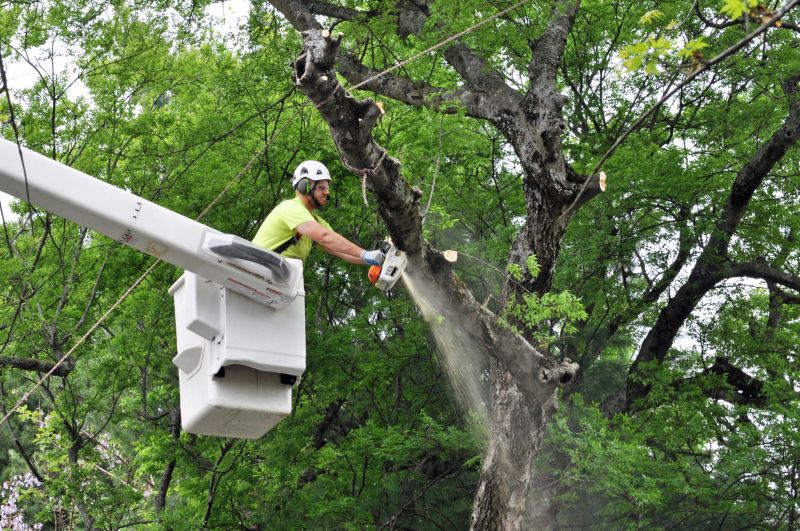
Arborist Pruning Updates
Common ways people refresh, improve, or restore arborist pruning features in reno, nv.
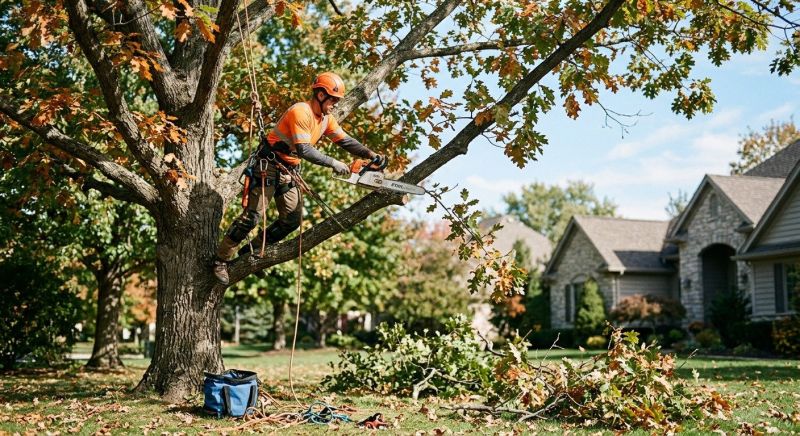
Arborist Pruning Options
Different styles, layouts, and finishes people consider for arborist pruning in reno, nv.
Arborist Pruning in Reno, NV
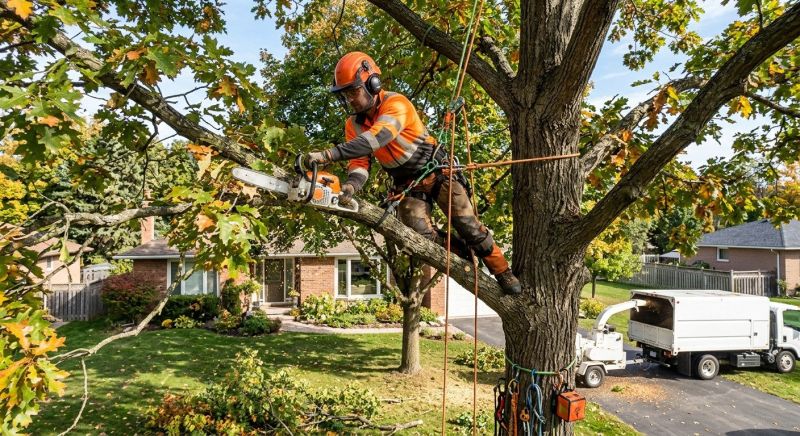
Arborist pruning services involve the careful trimming and shaping of trees to promote healthy growth, improve appearance, and ensure safety. These services typically include removing dead or diseased branches, thinning out dense canopies, and shaping trees to better fit the property’s landscape. Property owners often request pruning to maintain the structural integrity of mature trees, prevent potential hazards from falling limbs, or enhance the overall aesthetic of their yard. Understanding the specific needs of each tree and the appropriate pruning techniques can help preserve the health and longevity of the landscape.
Before requesting arborist pruning services, property owners should consider the type and age of their trees, as well as any specific goals for the project. It’s important to communicate whether the focus is on safety, health, or appearance, and to identify any areas of concern such as overgrown branches near structures or power lines. Proper pruning requires knowledge of tree biology and safety practices, making it a task best suited for experienced professionals. Clear understanding of the scope and objectives can ensure the work aligns with the property’s landscape and long-term maintenance plans.
Many property owners in Reno, NV look into Arborist Pruning for repairs, replacements, upgrades, and appearance-related improvements.
Common Arborist Pruning Jobs
Tree Shaping - shaping and thinning branches to improve tree structure and appearance.
Deadwooding - removing dead or diseased branches to promote tree health.
Crown Reduction - reducing the size of the canopy for clearance or safety.
Thinning - selectively removing branches to increase light and airflow through the canopy.
Structural Pruning - shaping young trees to develop strong, stable growth patterns.
Formative Pruning - guiding the development of young trees for healthy growth and aesthetic appeal.
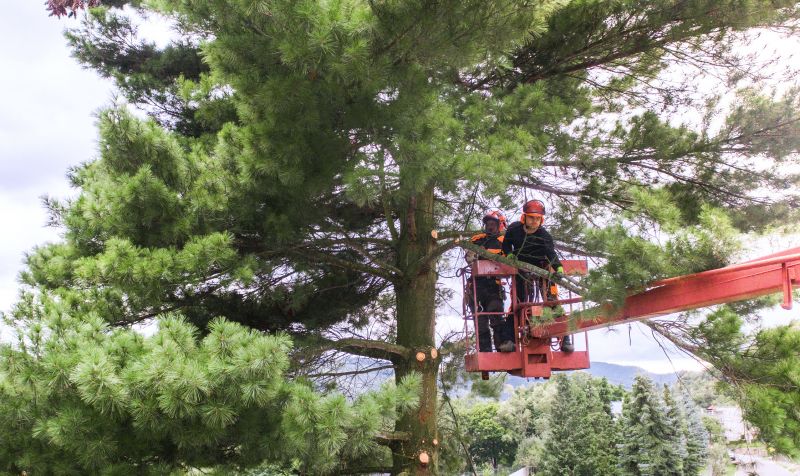
Arborist Pruning Questions
What is arborist pruning? Arborist pruning involves trimming and shaping trees to promote health, safety, and aesthetic appeal on residential and commercial properties.
Why is pruning important for trees? Proper pruning helps remove dead or diseased branches, reduces risk of damage, and encourages healthy growth.
What types of pruning services are available? Services include crown thinning, crown reduction, deadwood removal, and formative pruning for young trees.
When is the best time to prune trees? The ideal time for pruning depends on the tree species, but generally, late winter or early spring is preferred before new growth begins.
Request Arborist Pruning in Reno, NV
Use the quote form on this page to share the basics of your project and request more information for the type of work you need.